Can You Add a Bidet to an Existing Toilet?
Yes, you can add a bidet to most existing toilets without replacing the toilet itself. Choose an attachment, replacement bidet seat, or handheld sprayer after checking seat fit, water access, and any power needs.
On this page (11 sections)
- What kinds of bidets can you add to an existing toilet?
- How do you check whether your toilet will fit?
- What should you check at the water connection?
- How do you add a bidet attachment?
- How do you add a bidet seat?
- How should you check for leaks and start using it?
- How do you keep an added bidet clean?
- Can renters add a bidet?
- When should you call a plumber?
- Which bidet should you add to your existing toilet?
- Related reading
Yes, you can add a bidet to most existing toilets without replacing the toilet itself. The key is choosing a style that fits the bowl, leaves the seat stable, and connects to an accessible water supply.
An attachment suits someone who wants to keep their current seat. A replacement bidet seat makes more sense if you want a new seat or powered comfort features.
Start with fit, then decide which features you'll use. Our guide to electric or non-electric bidet seats explains that choice.
What kinds of bidets can you add to an existing toilet?
You can add an under-seat attachment, replacement bidet seat, or handheld sprayer. Each changes a different part of your bathroom routine.
An attachment mounts between the bowl and your current seat. Choose this style if you're happy with the seat and want fixed-position washing without replacing it.
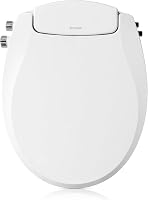
A bidet seat replaces the whole seat, so its shape and length must match your bowl. Electric models can offer powered features, but those features vary; check whether bidet seats need electricity before planning the installation.
A handheld sprayer gives you control over the spray direction but requires you to hold and aim it. Skip this style if managing a hose or reaching its shutoff would be difficult.
How do you check whether your toilet will fit?
Measure the mounting area and check seat support, rather than relying on a claim that an attachment fits most toilets. Bowl shape alone doesn't confirm compatibility.
Record the distance between the seat bolts, the distance from those bolts to the bowl's front edge, and the clearance behind them. Compare these measurements with the model's fit diagram.
Check side clearance, too. A wall, cabinet, or tight tank shape can block an attachment's controls even when its mounting holes line up.
The elongated-versus-round toilet seat guide explains the measurements. For replacement seats, narrow your search with bidet seats for round toilets or bidet seats for elongated toilets.
Can you add a bidet to an existing one-piece or skirted toilet?
Sometimes, but concealed connections and tight clearances can limit your options. Check how you'll reach both the seat fasteners and the toilet's water inlet before ordering.
An attachment can also change how the seat rests on the bowl. Don't use a setup that rocks, bends the attachment, or presses the seat against the nozzle housing; use only fit corrections allowed by the instructions.
What should you check at the water connection?
Confirm that the shutoff works and the fittings match before disconnecting the supply hose. A bidet usually shares the toilet's cold-water supply through a T-adapter.
Inspect the hose for cracks, kinks, or corrosion around its ends. If the shutoff won't stop the tank from refilling after a flush, resolve that problem before starting.
Check which connectors come with your chosen bidet before buying extras. A separate shutoff can be useful, but it must match the hose and the installation instructions.
This valve suits a compatible setup where you want to isolate the bidet branch without stopping the tank's supply. It is a connector, not a complete bidet, so it won't add washing by itself.
Its connections are 7/8 in x 7/8 in x 1/2 in. A 3/8 in hose needs a separate 1/2 in x 3/8 in adapter, and it isn't a direct replacement for the SAMODRA connector described below.
How do you add a bidet attachment?
Turn off the supply, drain the tank, and follow the attachment's mounting and plumbing instructions. Keep a towel and shallow container nearby because some water remains in the hose.
Remove the toilet seat, position the attachment, and reinstall the seat without overtightening its bolts. Connect the specified T-adapter and hose, making sure the required washers are seated correctly.
Start threaded connections by hand so you can feel if they bind. Follow the instructions for final tightening and sealant use; extra force or tape won't fix mismatched threads.
Our bidet attachment installation guide covers the sequence in more detail. These 3 attachments suit different priorities.
LUXE Bidet NEO 120: for a standard two-piece toilet
Choose the NEO 120 if you want an attachment for a standard two-piece toilet with installation parts supplied. Its fit guidance makes it a useful starting point for that common layout.
The NEO 120 has retractable nozzles and a protective guard gate. LUXE backs the bidet and accessories with an 18-month warranty.
Skip it if your toilet has a concealed inlet or unusual seat mounting until compatibility is confirmed. Included tools don't remove the need to check access and clearance.
Bio Bidet SlimEdge: for renters who want front and rear wash
Choose the SlimEdge if you want removable, non-electric front and rear washing. It suits a rental where an approved installation needs to be reversible.
Its knob controls water pressure, and the wash uses cold water. Skip it if warm water is a must, or if reaching and turning a side control would be awkward.
Before buying, sit on your current toilet and check where your hand can comfortably reach. That matters more than a slim appearance if you'll struggle to use the control.
SAMODRA Ultra-Slim Attachment: for limited under-seat clearance
Choose the SAMODRA if attachment thickness is your main fit concern. Its mounting section is 0.19 in thick, though you still need to check seat support and control clearance.
It provides front and rear wash modes with a rotary pressure control. The included T-adapter uses 7/8 in x 7/8 in x 9/16 in connections.
Skip it if your hose connections don't match and you haven't confirmed an approved solution. A thin attachment can't solve incompatible plumbing or inaccessible mounting bolts.
How do you add a bidet seat?
Replace the old seat with the bidet's mounting plate and seat, then connect water and any required power. Check the installation manual before removing anything.
For an electric model, plan a suitable outlet with the ground-fault protection required by its instructions and local rules. If that needs electrical work, include it in your decision before ordering.
Follow how to install a bidet seat on your toilet for the installation overview. Our bidet seat versus attachment comparison helps if keeping your current seat is still a priority.
How should you check for leaks and start using it?
Restore water slowly, check dry joints, and begin with low spray pressure. Open the supply only after all connections and seat fasteners are secure.
Dry the fittings, then use a dry tissue around each joint to spot small leaks. Check again after operating the bidet and flushing the toilet, and recheck later that day.
If a joint becomes wet, shut off the supply before adjusting it. The guide to why a bidet seat is leaking can help you identify the source.
For first use, sit fully on the seat and turn the control gradually. Increase pressure only as needed, then pat dry rather than assuming you need a long wash.
How do you keep an added bidet clean?
Clean the attachment, seat gaps, and nozzle area as directed, even if the model has a nozzle-rinse function. Water rinsing doesn't replace routine cleaning of surrounding surfaces.
Use cleaning products approved for the model and avoid forcing a nozzle out by hand. Our guide to cleaning a bidet nozzle explains the care steps.
During cleaning, look for loose seat bolts, hose strain, and moisture around fittings. A hose should have a relaxed route without sharp bends or tension pulling on a connector.
Can renters add a bidet?
A removable attachment is often the simplest rental option, provided the lease and landlord allow the plumbing change. Keep the original seat hardware and supply parts together for restoration.
Avoid drilling a sprayer holder or altering plumbing without approval. Even a reversible attachment needs sound connections, so resolve a worn shutoff or damaged supply hose with the landlord first.
When should you call a plumber?
Call a plumber when you can't isolate the water, identify the connection, or stop a leak. Corroded fittings, damaged threads, and inaccessible tank connections also justify help.
Don't keep tightening a leaking joint or force a stuck valve. Photograph the toilet model and connection area so the plumber can assess what parts and access the job needs.
Which bidet should you add to your existing toilet?
You can add a bidet to an existing toilet when the mounting, seat support, and water connection all work together. Choose by those limits first, then by wash controls and comfort needs.
Pick LUXE NEO 120 for a compatible standard two-piece setup, SlimEdge for removable front and rear washing, or SAMODRA when under-seat thickness is the main concern. Buy the separate shutoff valve only if its connections suit your installation.
Choose a replacement seat if you want to change the seat itself, and confirm power access for an electric model. Start with the best bidet seats fit-first guide or compare best bidet attachments once you've measured.
Related reading
Use the installation guide for your chosen style after confirming fit. Keep the shape and power guides nearby if either point is still unclear.
- How to install a bidet attachment
- How to install a bidet seat
- Elongated vs round toilet seat fit
- Electric or non-electric bidet seats
Frequently asked questions
Can you add a bidet to any toilet?
You can add a bidet to many existing toilets, but compatibility isn't universal. Check bowl shape, seat mounting holes, clearance behind the seat, and access to the tank's water connection.
One-piece, skirted, and unusually shaped toilets need closer checks because mounting hardware or plumbing may be hard to reach.
Do you need a plumber to install a bidet attachment?
Many bidet attachments allow DIY installation when the toilet has accessible connections and a working shutoff valve. Follow the attachment's instructions and inspect every joint after restoring water.
Call a plumber if the valve won't close, parts are corroded, threads are damaged, or a connection continues to leak.
Can you install a bidet without an electrical outlet?
Yes, a non-electric attachment uses water pressure and needs no electrical outlet. Electric bidet seats require power for their powered features, so check the model's installation requirements before buying.
If you want heated water without electricity, choose a model specifically designed for a suitable hot-water connection.
Does a bidet attachment replace the toilet seat?
Usually, no. An attachment mounts beneath your existing seat, while a bidet seat replaces it.
The attachment must leave enough clearance for the seat's support points to rest securely on the bowl. If the seat tilts or rocks, check the fit instructions before using the toilet.