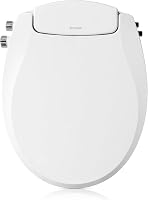
How to Choose a Bidet Seat for Your Toilet
To choose a bidet toilet seat, confirm toilet fit first, then match water temperature, controls and power needs to your bathroom. Check installation access before choosing comfort extras.
On this page (10 sections)
- How to choose a bidet toilet seat in the right order
- Should you replace the seat or add an attachment?
- Should you choose an electric or non-electric seat?
- Which wash features deserve priority?
- Which controls will be easiest to use?
- What should you check before installation?
- Which option suits your bathroom and routine?
- How should you use and care for a bidet seat?
- Which buying mistakes are easiest to avoid?
- How to choose a bidet toilet seat you'll keep using
To learn how to choose a bidet toilet seat, start with your toilet’s shape and measurements, then decide on water temperature, controls and power. A seat that fits your bathroom and routine is more useful than one with extras you rarely use.
Make 3 decisions before comparing models: whether you want a replacement seat or an attachment, whether ambient water is comfortable enough, and how you want to operate the wash. Those choices narrow the field quickly.
For a broader shortlist, see our best bidet seats fit-first guide.
How to choose a bidet toilet seat in the right order
Choose by fit, water temperature, controls and installation access, in that order. Treat each as a requirement the seat must meet before considering comfort extras.
Use this checklist while standing beside your toilet, with a tape measure and somewhere to record the results.
| Check | What to confirm | Why it matters |
|---|---|---|
| Bowl shape | Round or elongated | The seat must match the bowl |
| Mounting space | Bolt spacing and clearance toward the tank | The mounting plate and rear housing need room |
| Seat format | Replacement seat or under-seat attachment | An attachment must work with your existing seat |
| Water comfort | Ambient or heated water | This helps determine your power needs |
| Controls | Reach, visibility and ease of use | The controls must work from a seated position |
| Connections | Water access and any required outlet | Installation needs can rule out a model |
| Care | Access around hinges and nozzles | You need to keep the whole assembly clean |
Write down your must-haves separately from optional features. If warm water is essential, for example, don't spend time comparing ambient-water models.
How to choose a bidet toilet seat by toilet fit
Measure from the center of the seat mounting holes to the front edge of the bowl, then check the space around the mounting area. Measure the toilet itself rather than relying on the length of your old seat.
Record the distance between the mounting holes and the clearance from those holes toward the tank. A bidet seat’s rear housing can need space that a basic toilet seat does not.
Check access beneath the mounting holes too. Some toilet designs make the underside hard to reach, so confirm that the supplied mounting method works before removing your current seat.
Look for curves or raised areas near the tank that could interfere with a mounting plate. Nearby walls, cabinets and toilet-paper holders can also crowd a side control.
Overall seat dimensions are useful for checking available space, but they aren't a substitute for a fit diagram. The mounting range and required clearances matter as much as the outer length and width.
If the shape is unclear, use our elongated vs round toilet seat guide to compare the bowl outline and measurements. The replacement-seat examples below are elongated models, so a round bowl needs a different shortlist.
Should you replace the seat or add an attachment?
Choose a replacement seat if you want the seat and wash system together; choose an attachment if keeping your current seat matters. An attachment sits beneath the seat and changes the way that seat rests on the bowl.
Keeping a seat you already find comfortable can be a good reason to choose an attachment. First, confirm that its mounting area and underside leave enough room for the attachment.
After fitting an attachment, the seat should rest securely without rocking or putting uneven pressure on the assembly. Don't force it flat by tightening the bolts harder.
A replacement seat removes that particular compatibility question, but its own opening, shape and rear housing still affect seated comfort. Compare those details as well as the outside dimensions.
Our bidet seat vs bidet attachment comparison explains which format makes more sense for different bathrooms.
Should you choose an electric or non-electric seat?
Choose a non-electric model for an outlet-free setup if ambient-temperature water suits you. Choose an electric model when heated water, seat warmth or powered drying will make a meaningful difference to daily use.
Ambient water follows the temperature of the incoming supply. Consider how cold that water feels during your coldest season rather than judging it only during warm weather.
Non-electric operation still allows useful adjustments, depending on the model. Pressure control and spray aiming can matter more to a simple routine than a long menu of powered functions.
For an electric seat, check outlet placement before buying. The cord must reach an outlet that meets the manufacturer’s requirements and applicable bathroom electrical rules.
Don't base your setup on an extension cord or power strip. If a suitable outlet is missing, include the work needed to add one in your decision.
For a closer comparison, read electric vs non-electric bidet seats.
Which wash features deserve priority?
Prioritize gentle pressure adjustment, useful spray coverage and comfortable water temperature. These affect every wash, while some extras may see little use.
Pressure control and spray position
Start with a low pressure setting and increase it only as needed. A stronger stream isn't automatically a better choice, especially if it causes discomfort or splashing.
Pressure and aim solve different problems. Increasing pressure won't correct a stream that misses the intended area, so look for spray adjustment if precise positioning matters to you.
Front and rear wash options are worth checking when different household members will share the seat. Read what the controls actually do rather than assuming every model offers the same wash modes.
Warm water and wash duration
Choose warm water if cold-water washing would discourage regular use. Compare how the seat heats water and whether its warm-water supply suits the length of wash you expect.
Don't assume that every heated model delivers the same duration or temperature stability. If that detail is central to your choice, confirm it in the model’s instructions before ordering.
Our guide to bidet seats with warm water can help narrow that part of the search.
Drying and nozzle rinsing
Treat an air dryer as an optional convenience rather than a promise that you'll never need paper. Drying takes time, and you may still prefer a small amount of toilet paper to pat dry.
A nozzle rinse helps with routine use, but it doesn't replace cleaning. Our bidet nozzle cleaning guide covers the parts of care that still need your attention.
Which controls will be easiest to use?
Choose controls you can reach, identify and stop easily from your normal sitting position. A reachable stop control matters more than having many wash modes.
Before buying, sit on the current seat and check where a side panel or dial would fall. A nearby cabinet, limited shoulder movement or a narrow gap can make that position awkward.
A remote lets you place controls separately, but choose a consistent spot that everyone can reach. A remote that moves around the bathroom can make a shared seat harder to use.
Check the size and clarity of the labels as well as the control type. Someone who prefers a simple dial may find it more useful than a remote with several similar buttons.
For a shared bathroom, think about guests and anyone who may need help learning the controls. Explain how to start gently and stop the spray before the first use.
What should you check before installation?
Confirm a working shutoff valve, compatible connections and secure mounting access before taking the toilet apart. Resolve old or damaged plumbing before adding another water connection.
Find the toilet’s water shutoff valve and confirm it works without forcing it. If it won't close, leaks or looks damaged, have that problem addressed first.
Check whether the supply connection is accessible and matches the fittings required by the bidet. Enclosed toilet bases and cramped spaces can make an otherwise simple connection difficult to reach.
Review the parts list instead of assuming every adapter you might need is included. Have a towel and a small container ready for water remaining in the supply hose.
Follow the manufacturer’s assembly order, including its instructions for seals and fittings. Tighten only as directed, since excess force can damage plastic parts or distort seals.
Once the water is back on, inspect each connection and check again after initial use. Use the model’s specified startup procedure before connecting power or operating an electric seat.
Follow our bidet seat installation guide for a replacement seat, or the separate bidet attachment installation guide for an under-seat model.
Which option suits your bathroom and routine?
Choose the simplest option that meets your essential needs. These 4 examples suit different buyers, from an outlet-free replacement seat to a powered model with separate controls.
Brondell Swash Ecoseat: for an outlet-free replacement seat
Choose the Brondell Swash Ecoseat if you have an elongated toilet and want a complete bidet seat without adding electrical work. Its manual dial controls adjustable pressure, and dual nozzles provide front and rear washes with ambient water.
It measures 20.03 x 14.39 x 2.55 in and includes a mounting plate, mounting hardware and bidet hose. The gentle-closing seat and sturdy, sittable lid may matter if you want to preserve those everyday uses.
Skip it if warm water is a requirement or your bowl is round. It also isn't the right choice if reaching a seat-mounted dial would be difficult.
Before buying, check both the fit and your comfort with the incoming water temperature. The absence of an electrical connection makes setup simpler, but the water fittings still need careful assembly.
Tushy Classic 3.0: for keeping your existing seat
Choose the Tushy Classic 3.0 if you want to add a wash function while retaining a seat you already like. This non-electric, cool-water attachment provides pressure control and a precision nozzle adjuster.
Its SmartSpray nozzle rinses before and after use and retracts when switched off. Adjustable seat fasteners help position the attachment, but you still need to confirm how your seat rests above it.
Skip it if your main goal is a heated replacement seat or if your current seat cannot sit securely over an attachment. Check access to the right-side control before committing.
After installation, check for rocking and make sure the seat closes properly. Our best bidet attachment guide offers more choices if this format suits your bathroom.
TOTO WASHLET A2: for warm washing with attached controls
Choose the TOTO WASHLET A2 if you want an elongated electric seat with warm washing and controls that stay attached. It combines adjustable water temperature and pressure with a heated seat and SoftClose lid.
The A2 offers soft rear, rear and front cleansing, plus an oscillating stream. Its wand cleans inside and outside before and after use.
Water and seat warmth each have 3 temperature settings, while water pressure has 5 settings. Those adjustments suit households where users prefer different levels of warmth and spray strength.
Skip it if a separate remote is essential or a side panel would be hard to reach. At 20.94 x 18.63 in overall, it also needs careful clearance checks beside the bowl and toward the tank.
KERDE P30B: for remote access and drying
Choose the KERDE P30B if you want both an attached side panel and a wireless remote. This elongated electric seat adds adjustable warm-water washing, a heated seat, warm-air drying and an LED night light.
It has a self-cleaning stainless steel nozzle and a quiet-close lid. The seat measures 20 x 17 in, so compare its footprint with your bowl and nearby fixtures.
Its 45 in cord requires a 120V, 3-hole outlet. Measure a practical cord route to the outlet, allowing for obstacles rather than measuring only a straight line.
Skip it if that outlet arrangement won't work or you mainly want a simple, unpowered wash. Choose it for the controls and comfort functions you'll use, rather than treating every extra as essential.
How should you use and care for a bidet seat?
Start with low pressure and a short wash, then adjust for comfort. Keep the seat, mounting area and nozzle clean according to the model’s instructions.
Learn the stop control before starting. Avoid operating the spray while standing beside the toilet unless the manual gives a specific cleaning procedure for doing so.
Sit normally and adjust the spray position or your position gently if needed. Don't respond to poor aim by immediately turning the pressure to its highest setting.
Pat dry gently when needed. If you use a reusable drying cloth, keep it for personal use, store it where it can dry and launder it regularly.
Use a soft cloth and cleaners approved for the seat’s materials. Don't assume that a strong toilet-bowl cleaner is also suitable for plastic, seals or electronic controls.
Wipe around hinges and mounting points, where moisture and grime can collect. Use any designated nozzle-cleaning mode rather than pulling a retractable wand out by force.
Check hose connections during routine cleaning. If moisture appears, dry the area and locate the source; our bidet seat leak guide explains what to inspect.
Which buying mistakes are easiest to avoid?
Avoid buying by feature count or bowl shape alone. Most preventable problems come from an overlooked clearance, an unsuitable control position or a setup requirement discovered too late.
- Confusing a seat with an attachment: Decide whether you want to replace your current seat before comparing models.
- Measuring only overall length: Check bolt spacing, rear clearance, mounting access and room for controls.
- Assuming every lid supports sitting: Confirm that use for the exact model instead of treating the lid like the seat.
- Forgetting colder water: Consider your winter supply temperature before choosing an ambient-water wash.
- Treating a remote as automatically easier: Check button clarity, reach and where it will stay.
- Expecting a dryer to be instant: Allow for drying time and keep your preferred pat-drying option available.
- Using extra force during assembly: Correct the fit or connection rather than forcing parts into place.
Make your return decision before discarding packaging or altering parts. A seat that feels cramped or leaves controls out of reach won't become more suitable because it has useful wash settings.
How to choose a bidet toilet seat you'll keep using
Choose by your hardest requirement first: fit, comfortable water temperature or accessible controls. Then remove models that need plumbing or electrical work you're not prepared to arrange.
Pick the Brondell for an outlet-free replacement seat, or the Tushy if keeping your current seat matters. Pick the TOTO for warm washing with attached controls, or the KERDE when remote operation and drying are priorities.
Before ordering, finish one final check of bowl measurements, connection access and control reach. Use our best bidet seats guide to compare suitable alternatives once those requirements are settled.
Frequently asked questions
How do I know if a bidet seat will fit my toilet?
Confirm bowl shape, then measure from the center of the mounting holes to the bowl’s front edge. Also check bolt spacing, tank clearance and access beneath the mounting holes.
Compare those measurements with the model’s fit guide, since a round or elongated label does not confirm every clearance.
Do bidet toilet seats need electricity?
Non-electric seats and attachments work without an outlet, while electric seats need power for their powered features. Check the exact model’s requirements before buying, including cord reach and outlet suitability.
Avoid planning around an extension cord; resolve bathroom power access before choosing a seat that needs it.
Is a bidet seat better than an attachment?
Choose a replacement bidet seat if you want an integrated seat and wash system, or an attachment if you want to keep your current seat. Neither format guarantees a better fit.
For an attachment, check that your existing seat can close properly and rest securely after installation.
What should I check before installing a bidet seat?
Check toilet fit, a working water shutoff valve, connection compatibility and any electrical requirements before starting. Make sure you can remove the old seat and reach the mounting hardware.
Follow the model’s instructions for assembly, then check every water connection for leaks before leaving the toilet unattended.
Does a self-cleaning nozzle replace regular cleaning?
No, a self-cleaning nozzle still needs the care described in the seat’s manual. Its rinse cycle does not clean the seat hinges, underside or nearby surfaces.
Use approved cleaners and a soft cloth, and use the designated nozzle-cleaning mode when provided rather than pulling the wand out by force.